
Architecture in London
Architecture in London: From Historic Brick to Sustainable Icons
Suggested Curated Architectural Walks
- The Thames Regeneration Walk: Start at Tate Modern, walk west past OXO Tower Wharf and the Southbank Centre, and follow the river path toward Battersea Power Station to witness three decades of riverside transformation on foot.
- The Concrete & Heritage Loop: Begin at St Paul’s Cathedral, walk north into the elevated walkways of The Barbican, and finish amid the historic Victorian ironwork of Smithfield Market.

1. Post-War Utopias & Brutalist Masterpieces
Emerging from the rubble of the Second World War, London’s mid-century architects reimagined how communities could live, work, and gather.
- The Barbican Estate & Centre (City of London): Rising from a devastated Blitz bombsite, this monumental concrete complex is now celebrated worldwide as a masterpiece of British Brutalism—complete with elevated pedestrian walkways, tranquil water gardens, and a thriving arts hub.
- The Southbank Centre & National Theatre: Perched along the southern edge of the Thames, Denys Lasdun’s terraced concrete architecture turns public space into an open-air stage overlooking the river.
2. Industrial Heritage & Sustainable Regeneration
In recent decades, London has led the world in adaptive reuse—transforming obsolete Victorian and Art Deco industrial giants into vibrant, low-impact cultural neighbourhoods.
- Battersea Power Station: Sir Giles Gilbert Scott’s Grade II*-listed Art Deco coal-fired power station has been meticulously restored into a sustainable riverside district, culminating in Lift 109—an ascent through its iconic north-west chimney offering sweeping panoramic views.
- Tate Modern (Bankside): Housed in the former Bankside Power Station, Herzog & de Meuron’s adaptive transformation turned a monumental brick turbine hall into one of the world’s most visited spaces for contemporary art.
- OXO Tower Wharf & Coin Street: A landmark of community-led riverside regeneration along the South Bank, blending Art Deco heritage with independent design studios and public riverfront walkways.
3. Contemporary Skyline & Eco-Conscious Design
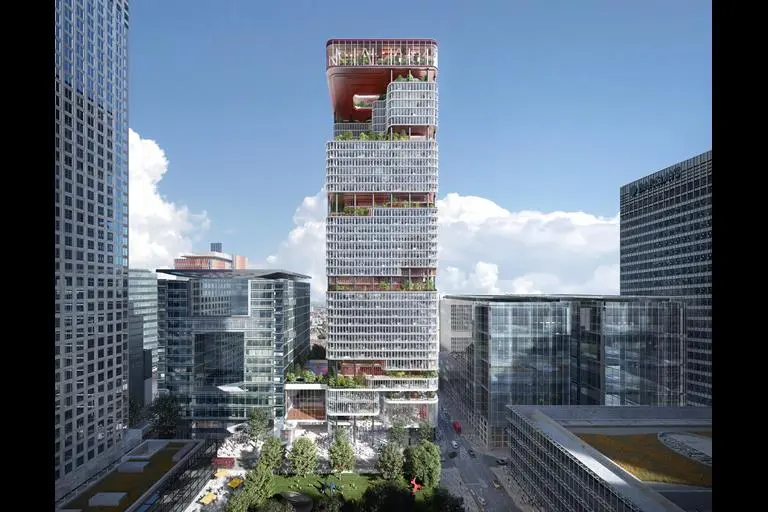
London’s modern skyline balances daring structural engineering with increasingly ambitious environmental standards.
- The Shard & The City Cluster: Renzo Piano’s glass spire at London Bridge and landmarks like 30 St Mary Axe (The Gherkin) illustrate how verticality, natural light, and aerodynamic efficiency have reshaped the historic financial core.
- The Garden at 120 & Sky Garden: Publicly accessible rooftop sanctuaries that integrate lush botanical biodiversity high above the city streets, proving that high-density architecture can still give green space back to the public.
4. Hidden Details & Living Streetscapes
Beyond the headline landmarks, London’s architectural character lives in its intimate, everyday details:
- Historic Gas Lamps: Maintained by dedicated local craftsmen (Gasketeers), London’s remaining Victorian gas lamps cast a warm, atmospheric glow across pockets of Westminster and Covent Garden.
- Georgian Squares & Victorian Terraces: From the white stucco crescents of Bloomsbury and Belgravia to the polychrome br





Editorial Note
Coolvoyage London operates with complete editorial independence. We have no official partnership, sponsorship, or commercial relationship with Art Fund or any featured venue. All exhibition details, ticket prices, and pass benefits are verified directly with official sources at the time of publishing.